Source Marble Camouflage Yoga Block for Home Exercise
Compare 30 marble camouflage yoga block options from verified Chinese suppliers. Buyers can evaluate materials like EVA and cork, check customization features, and review pricing for home exercise and yoga fitness needs; compare the available evidence and request quotations based on your requirements.
Key considerations
Products List








Comprehensive Sourcing Guide
Marble Camouflage Yoga Block Sourcing Guide
Sourcing marble camouflage yoga blocks requires a nuanced understanding of material properties, aesthetic customization, and functional performance. This guide synthesizes observed market data and trusted category knowledge to help procurement professionals navigate the complexities of acquiring these specific fitness accessories. The focus is on identifying reliable suppliers who can deliver high-quality EVA or cork-based blocks that meet both aesthetic and functional requirements for B2B clients.
The term "marble camouflage" often refers to a visual pattern rather than a specific material composition. Buyers must distinguish between solid-color blocks and those with printed or molded marbled designs. Understanding the distinction between EVA foam and natural cork is critical, as each material offers different benefits in terms of durability, weight, and eco-friendliness. This guide provides a framework for evaluating suppliers based on these material distinctions and customization capabilities.
Product Scope and Observed Listing Signals
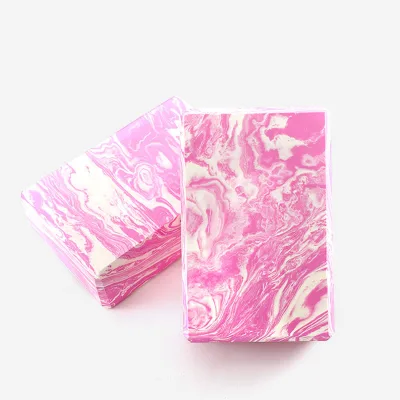
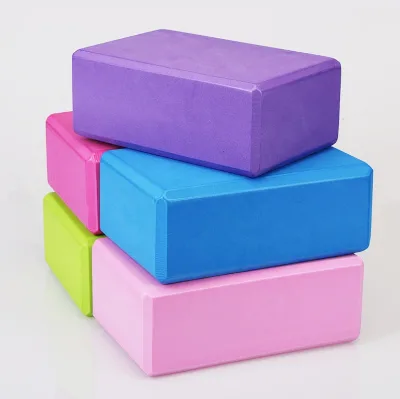
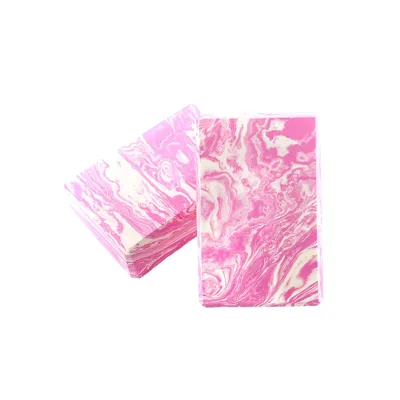
The observed product landscape includes a variety of yoga blocks, with specific models like the "Recycled Marbled EVA Yoga Block" and "Custom Colour EVA Yoga Blocks" indicating a strong market presence for patterned and customizable options. These products typically feature dimensions such as 3x6x9 inches or 23x15x7.5 cm, catering to standard yoga practices. The presence of "Solid Color" and "Marbled" attributes suggests that buyers can choose between minimalist designs and more visually complex patterns that mimic marble textures.
Key attributes observed include customization options for logos and colors, with suppliers accepting OEM requests. Materials range from EVA foam to cork, with some products highlighting eco-friendly features. The observed price range of $0.29 to $3.50 USD reflects the diversity in quality and material costs. Buyers should note that MOQs vary significantly, from as low as 2 pieces to 10,000 pieces, allowing for flexible ordering strategies based on inventory needs and budget constraints.
Technical Specifications to Verify
When verifying technical specifications, buyers should prioritize dimensions, weight, and material density. Standard sizes like 3x6x9 inches are common, but variations such as 3x5.5x9 cm or 4x6x9 cm may be available. Weight is a critical factor, with observed weights ranging from 120g to 200g, impacting the block's stability and portability. Buyers must confirm the exact weight and density to ensure the blocks meet the intended use cases, whether for support or balance exercises.
Material composition is another vital specification. EVA foam blocks are often praised for their durability and non-slip properties, while cork blocks offer a natural, eco-friendly alternative. Buyers should verify the specific type of EVA or cork used, as well as any additional features like recycled content or antimicrobial treatments. Packaging dimensions, such as 60x20x20 cm or 30x25x20 cm, are also important for logistics planning and storage efficiency.
Compliance and Safety Documentation
Compliance and safety are paramount when sourcing yoga blocks, especially for markets with strict regulatory requirements. Buyers should request documentation confirming that materials meet relevant safety standards, such as REACH or CPSIA, depending on the target market. While specific certifications were not observed in the provided data, buyers must proactively ask suppliers for test reports that verify the absence of harmful substances like phthalates or heavy metals.
Additionally, buyers should ensure that the blocks are non-toxic and free from strong odors, which can be a sign of low-quality materials. Documentation should also cover flammability and durability tests, ensuring that the blocks can withstand regular use without degrading. Suppliers who provide comprehensive safety documentation are more likely to be reliable partners, reducing the risk of product recalls or customer complaints.
Cost Drivers and Commercial Terms
Cost drivers for marble camouflage yoga blocks include material costs, customization complexity, and order volume. EVA foam is generally more cost-effective than cork, but custom marbled patterns may incur additional printing or molding fees. Buyers should negotiate based on volume, as observed MOQs range widely, allowing for better pricing on larger orders. Payment terms such as PayPal, Western Union, TT, and Trade Assurance offer flexibility and security for international transactions.
Lead times and shipping costs are also significant factors. Buyers should clarify production lead times, which can vary based on customization requirements and supplier capacity. Packaging options, such as paper wrap, box, or carton, impact shipping efficiency and cost. Understanding these commercial terms helps buyers budget accurately and avoid unexpected expenses, ensuring a smooth procurement process from order placement to delivery.
Supplier Qualification and Quality Control
Supplier qualification involves assessing their manufacturing capabilities, quality control processes, and customer service. Buyers should verify the supplier's location, with observed origins including Jiangsu, Zhejiang, and Guangdong in China, as well as Shanghai. These regions are known for their manufacturing expertise, but buyers should conduct due diligence to ensure the supplier has a proven track record of producing high-quality yoga blocks.
Quality control measures should include regular inspections of raw materials, production processes, and finished products. Buyers should request samples to evaluate the block's texture, color consistency, and durability. Suppliers who offer customized logos and colors should demonstrate their ability to maintain quality across different design variations. Establishing a clear communication channel with the supplier is essential for addressing any issues that may arise during production or delivery.
Long-Term Procurement Checks
Long-term procurement success depends on building a sustainable relationship with suppliers who can consistently meet quality and delivery expectations. Buyers should implement regular performance reviews, assessing factors such as on-time delivery, product quality, and responsiveness to issues. Continuous feedback loops help identify areas for improvement and ensure that the supplier remains aligned with the buyer's evolving needs.
Additionally, buyers should stay informed about market trends and technological advancements in yoga block manufacturing. This includes exploring new materials, designs, and sustainability practices that may offer competitive advantages. By maintaining a proactive approach to supplier management and market analysis, buyers can secure a reliable supply chain and deliver high-quality products to their customers, fostering long-term business growth and customer satisfaction.
FAQs
What materials are used for yoga blocks?
Yoga blocks are commonly made from EVA foam or natural cork. EVA foam offers lightweight durability and shock absorption, while cork provides a firm, eco-friendly surface with natural grip. Both materials support various yoga poses and bodybuilding exercises effectively.
Can I customize the logo on yoga blocks?
Yes, customized logos are available for yoga blocks. Many manufacturers accept OEM orders, allowing you to print your brand name or design on the product surface. This service helps businesses establish brand identity and offers a professional look for retail distribution.
What are the standard sizes for yoga blocks?
Standard yoga block sizes typically include 3x6x9 inches or 4x6x9 inches. Metric equivalents are often 3x6x9 cm or 3x5.5x9 cm. These dimensions provide optimal support for stretching and balance, ensuring compatibility with most yoga routines and fitness equipment setups.
What is the minimum order quantity for yoga blocks?
Minimum order quantities vary by supplier, ranging from 2 pieces to 10,000 pieces. Some vendors accept small MOQs for samples, while bulk orders often require 100 pieces or more. Buyers should check specific supplier terms to align with their inventory needs.
Are yoga blocks suitable for home exercise?
Yes, yoga blocks are ideal for home exercise. They assist in bodybuilding, stretching, and deepening poses safely. Their durable construction supports various fitness activities, making them a versatile tool for maintaining flexibility and strength in a home gym environment without specialized equipment.
What payment methods are accepted for yoga blocks?
Common payment methods include PayPal, Western Union, TT, and Trade Assurance. These options provide flexibility for international transactions. Buyers can choose secure platforms that protect both parties, ensuring smooth processing for bulk orders and sample purchases from verified suppliers.